





What museums don’t show
The incredible collections in London’s museums have been a great source of inspiration to me for as long as I can remember. When I finally finished my degree in history, I knew exactly where I wanted to go to do my master’s degree.
I applied to several universities in the UK, and after researching the cultural institutions they had to offer, I decided to accept a place to study for a MA in Art History and Curating at the University of Birmingham, in the very year it was celebrating its 125th anniversary. One of the main reasons I chose it – apart from the undeniable value of the research carried out by its lecturers in the Department of Art History, Curating and Visual Studies – is the opportunity it offers its students to work with the collections held by the Barber Institute of Fine Arts.
It is a magnificent institution founded by Lady Barber, who was driven by a desire to share the most significant works of art and music with the university community and the wider region. As a student, I had the opportunity to study in its magnificent library and its extensive archives, and to engage with the works that make up its collections.
As a student, I was able to enjoy one of my favourite experiences to date: taking part in the online exhibition ‘Pocket-Size Power: A Feminist History of Portrait Miniatures’. The project involved working with staff from the Barber Institute alongside those from the Victoria and Albert Museum, visiting their collections and learning directly from specialists and from the objects themselves. After so many years of gazing at the pieces from behind the display cases, being able to engage with them from the archives – whilst wearing the appropriate protective gear, of course – was extraordinary.
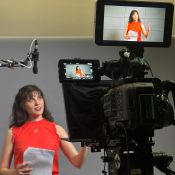
I worked on this project from scratch, alongside colleagues from both the UK and other countries such as Korea and China. We pooled the topics we were most passionate about to bring to life an exhibition comprising miniature portraits, exploring the role of women as artists and as patrons, as well as their experiences within the colonial context. (I actually held a portrait of Elizabeth I in my hands!) Our visits to both archives allowed us to see and handle items that rarely see the light of day, to discuss and research new topics, and to get involved in aspects we hadn’t previously considered. One example of this was promoting the exhibition, for which we produced videos and various social media posts.
The project allowed me to discover that an exhibition begins long before the public can see it: in the archives, in the questions we ask of the objects, in the discussions within a team, and in the decisions about which stories we want to tell. Having gone through that whole process, I feel much better prepared to apply what I’ve learnt in the professional world.
- Fernanda Lorena
